






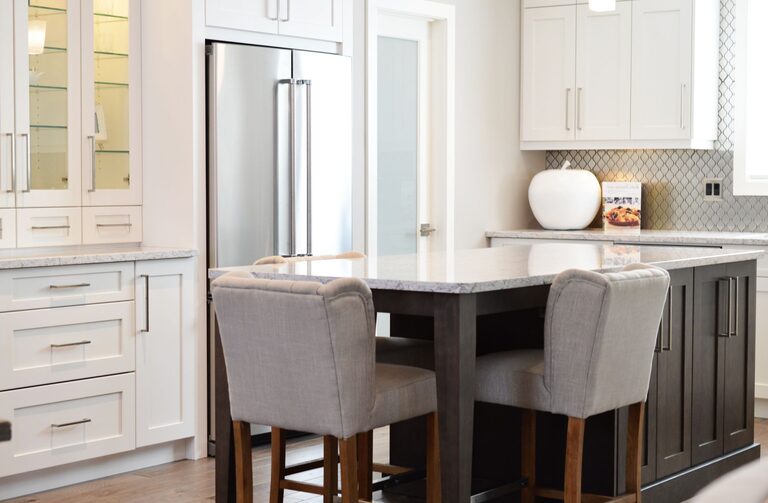
A clutter-free kitchen counter can make the entire room feel cleaner, calmer, and easier to use. Clear counters also give you more space for preparing meals and make daily cleaning much faster.
The goal is not to remove everything from your kitchen. Instead, it is to decide what truly belongs on the counter, where other items should go, and how to create habits that keep clutter under control.
Start With a Complete Reset
Before organizing your counters, remove everything from them. Place small appliances, dishes, mail, food packages, and other items on a nearby table or the floor. Seeing the full collection makes it easier to understand what is taking up space.
Clean the empty counters with a suitable kitchen cleaner, then sort the items into groups:
– Use every day
– Use occasionally
– Belongs somewhere else
– Needs to be donated, recycled, or discarded
– Needs a permanent storage location
Avoid putting items back immediately. Take a few minutes to consider whether each object earns its space on the counter.
For example, a coffee maker that is used several times a day may deserve a permanent spot. A specialty appliance used twice a year may be better stored in a cabinet or pantry.
Decide What Belongs on the Counter
A useful rule is to keep only items that are used frequently or help support a daily kitchen routine. This may include:
– A coffee maker or toaster
– A knife block
– A fruit bowl
– A cutting board
– A small container for cooking utensils
– Hand soap near the sink
The right number of items will vary from kitchen to kitchen. A large counter can handle more than a small one, but every item should have a clear purpose.
Try creating three zones:
- **Preparation zone:** Keep cutting boards, knives, and mixing tools near the area where you prepare food.
- **Cooking zone:** Place cooking utensils, oils, and frequently used seasonings near the stove.
- **Cleaning zone:** Keep soap, sponges, and towels near the sink.
Organizing items according to how you use the kitchen reduces unnecessary movement and makes cleanup simpler.
Find a Home for Everything Else
Counter clutter often happens because items do not have a designated storage location. Give every frequently used object a specific home, even if that home is a drawer, shelf, or basket.
Use storage solutions that fit your kitchen and your habits:
– Add drawer dividers for utensils and tools.
– Use shelf risers to create extra vertical storage.
– Install a wall rail for cooking utensils.
– Store cutting boards upright in a narrow rack.
– Keep baking supplies together in a labeled bin.
– Use a tray to group small items near the sink.
– Add hooks inside cabinet doors for measuring cups or brushes.
A storage solution does not need to be expensive or complicated. The best option is one that makes items easy to put away. If returning something to its home takes too many steps, it is more likely to be left on the counter.
Reduce Small Appliance Clutter
Small appliances are among the most common sources of counter clutter. To decide what should stay out, consider how often each appliance is used and how difficult it is to store.
Keep an appliance on the counter if you use it most days, if it is heavy to move, or if it supports an important routine. Store it away if it is used only occasionally or if several appliances perform similar tasks.
Look for ways to make appliance storage easier:
– Use a cabinet with adjustable shelves.
– Store appliances on a rolling cart.
– Place less-used items in a pantry.
– Keep attachments and cords together.
– Use a nearby shelf instead of a hard-to-reach cabinet.
When storing appliances, allow space around them so they are easy to remove. A crowded cabinet may technically hold everything, but it can make daily use frustrating.
Manage Mail, Paper, and Personal Items
Kitchen counters often become a drop zone for mail, receipts, school papers, keys, and bags. Create a separate location for these items so they do not spread across the work area.
A small wall organizer, basket, or file holder can help. Set up simple categories such as:
– To read
– To respond to
– To file
– To recycle
Choose one day each week to sort the contents. Recycle unwanted paper, file important documents, and move personal items to their proper locations.
You can also create a small entryway station near the kitchen or front door for keys, bags, and mail. Keeping these items away from food preparation areas helps the kitchen stay more focused and functional.
Use Trays to Contain Everyday Items
A tray can make several small objects look organized instead of scattered. Place items such as cooking oils, salt, pepper, or coffee supplies on one tray. When you need to clean the counter, simply lift the tray and wipe underneath it.
Trays also create visual boundaries. Without one, bottles and containers may slowly spread across the counter. With one, it is easier to see when the group has become too large.
Choose a tray that is easy to clean and large enough to hold the items without crowding them. Avoid using trays as a place to store objects that do not belong together.
Make Better Use of Vertical Space
If your counters are limited, look upward. Walls, cabinet sides, and the space under cabinets can provide useful storage.
Consider adding:
– A magnetic strip for suitable kitchen tools
– Hooks for mugs or towels
– A narrow shelf for spices
– A pegboard for flexible storage
– An under-cabinet rack for small supplies
– A wall-mounted paper towel holder
Before installing anything, check that it will not interfere with cabinet doors, cooking areas, or cleaning. Keep items used for food preparation clean and within easy reach.
Vertical storage can free valuable counter space while keeping essential items visible.
Create a Daily Five-Minute Reset
A short daily reset is more effective than waiting for clutter to become overwhelming. Choose a convenient time, such as after dinner or before bed.
During the reset:
- Put away appliances and tools.
- Return food to the pantry or refrigerator.
- Move mail and personal items.
- Load or wash dirty dishes.
- Wipe the counters and sink area.
- Check whether anything needs a new storage location.
Encourage everyone in the household to take part. A clutter-free kitchen is easier to maintain when each person returns items after using them.
Keep the System Flexible
Your kitchen organization should support your real life. If you repeatedly leave the same item on the counter, that may be a sign that its current storage location is inconvenient.
Instead of forcing yourself to follow an impractical system, adjust it. Move the item closer to where it is used, replace a deep container with a more accessible one, or create a dedicated space for it.
Every few months, review your counters and cabinets. Remove items you no longer use, check for duplicates, and update storage as your routines change.
A clutter-free kitchen does not require perfect habits or a completely empty counter. It requires clear decisions, convenient storage, and a simple routine. By keeping only useful items within reach and giving everything else a home, you can create a kitchen that feels more spacious and stays easier to manage.