







A notebook can be simple, useful, and enjoyable to use—but only if it fits your everyday life. The best notebook is not always the most expensive, attractive, or highly recommended option. It is the one that feels natural to pick up and helps you do what you need to do.
Before buying one, think about how you plan to use it, where you will carry it, and what features will make writing easier. A few practical choices can turn a notebook from an unused item into a tool you reach for every day.
Start With Your Main Purpose
The first step is deciding what the notebook is for. A notebook designed for quick work notes may not be the best choice for journaling, sketching, or long-form writing.
Consider your most likely use:
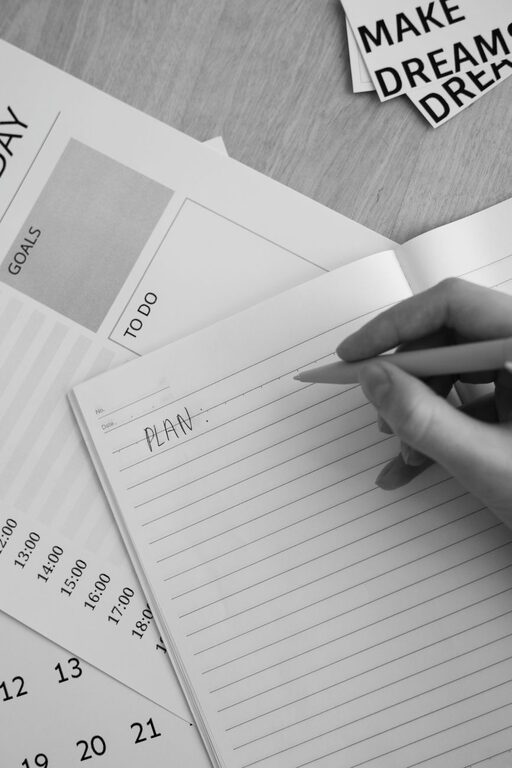
– Daily planning: Choose a layout that leaves room for tasks, appointments, and notes.
– Work or school notes: Look for a practical size with enough pages for regular writing.
– Journaling: Choose paper and a format that make writing feel comfortable and private.
– Creative ideas: Consider blank or dotted pages for sketches, diagrams, and flexible layouts.
– Lists and reminders: A smaller notebook may be more convenient and easier to keep nearby.
– Projects: Choose a larger notebook with enough space for research, drafts, and progress notes.
If you have several uses in mind, avoid forcing everything into one notebook. You might prefer one everyday notebook for quick notes and a separate notebook for a specific project or hobby.
Choose a Size That Matches Your Routine
Notebook size affects how much you write and whether you carry it with you. A large notebook gives you more room, but it may stay at home. A small notebook travels easily, but its pages can feel cramped.
A pocket-sized notebook works well for short lists, quick thoughts, and notes made while traveling. It can fit in a coat pocket, small bag, or desk drawer.
A medium-sized notebook is a good all-purpose choice. It usually provides enough writing space without becoming difficult to carry. This size is often suitable for work notes, journaling, and daily planning.
A large notebook gives you plenty of space for detailed notes, drawing, and project work. It is best if you usually write at a desk or do not need to carry it far.
Think about where you will use the notebook most often. If you want to use it outside the home, test whether it fits comfortably in your usual bag. If it will remain on a desk, size may matter less than page space and writing comfort.
Pick the Right Page Layout
The page layout should support the way you naturally think and write. There is no universally best option.
Lined Pages
Lined pages are a dependable choice for writing, lists, meeting notes, and schoolwork. They provide structure without requiring much planning. If you mainly write sentences, lined paper is often the easiest place to start.
Blank Pages
Blank pages offer the most freedom. They are useful for sketches, mind maps, diagrams, lettering, and mixed notes. However, some people find them difficult for neat writing because there is no guide.
Dotted Pages
Dotted pages provide a light structure while leaving plenty of flexibility. You can write, draw boxes, create tables, or design your own planner pages. They are a popular option for people who want organization without a fixed layout.
Grid Pages
Grid paper is useful for charts, calculations, diagrams, and precise layouts. It can also work well for writing if you prefer clearly defined spaces. Choose a grid with a subtle pattern so it does not distract from your notes.
If you are unsure, lined or dotted pages are usually the most versatile choices.
Consider the Paper Quality
Paper affects how enjoyable a notebook feels. Pay attention to the texture, thickness, and how well it handles your preferred pen or pencil.
If you use a ballpoint pen or pencil, most standard notebook paper will work well. If you use gel pens, markers, or fountain pens, look for thicker paper that is less likely to show ink on the other side.
You may see terms such as “bleed-through” and “show-through.” Bleed-through happens when ink passes through the paper. Show-through means you can see writing from the other side, even though the ink has not fully passed through.
When possible, test a sample page with the pen you use most. If you are shopping in person, write a few lines near the back of the notebook. This small test can prevent disappointment later.
Make Sure the Binding Suits You
A notebook’s binding can affect how comfortably it opens and how long it lasts.
– Spiral binding: Opens flat and makes it easy to fold pages back. It is practical for notes but can feel bulky in a bag.
– Sewn binding: Often opens comfortably and can be durable. It may have a more traditional book-like appearance.
– Perfect binding: Looks neat and compact, but some notebooks with this binding do not lie flat.
– Disc or ring binding: Allows pages to be moved or replaced. It is useful for people who like to reorganize notes.
– Stapled binding: Usually light and affordable, making it suitable for short-term notes or small projects.
If you write with one hand while holding the notebook open with the other, a notebook that lies flat may be especially important. A beautiful notebook that constantly closes itself can quickly become frustrating.
Choose a Cover You Will Enjoy Carrying
The cover protects the pages, but it also influences whether you want to use the notebook. A flexible cover is light and easy to pack. A hard cover offers more protection and provides a firm surface for writing away from a desk.
Think about your surroundings. If the notebook will travel frequently, choose a durable cover that can handle being placed in a bag. If it will stay at home, appearance and texture may matter more than strength.
You should also consider whether the cover feels comfortable in your hands. Small details, such as rounded corners, an elastic closure, or a ribbon marker, can make regular use more convenient.
Avoid Buying More Notebook Than You Need
It is easy to choose a notebook based on appearance alone. Special paper, elaborate covers, and extra features can be appealing, but they may not improve your experience.
Ask yourself:
– Will I carry this notebook regularly?
– Do I need all these pages?
– Does the layout match how I write?
– Will I feel comfortable using it for ordinary notes?
– Is it practical for my budget and routine?
Some people avoid using expensive notebooks because they do not want to “waste” them on simple thoughts. If that sounds familiar, choose a notebook that feels inviting but not so precious that you are afraid to write in it.
Test Before Committing
If possible, try a notebook before buying several of the same kind. Write a short paragraph, make a list, and turn a few pages. Notice whether the paper feels pleasant and whether the notebook stays open.
You can also use a simple trial period. Carry the notebook for a week and pay attention to what works or does not work. If you constantly need more space, choose a larger format. If you leave it at home, try a smaller one. If your notes feel scattered, consider a different layout.
The goal is not to find a perfect notebook in theory. It is to find one that supports your real habits.
Choose the Notebook You Will Reach For
The right notebook fits your purpose, space, writing tools, and daily routine. Start with how you plan to use it, then choose the size, paper, layout, binding, and cover that support that use.
A notebook does not need to be impressive to be valuable. It only needs to make writing easy enough that you want to open it again tomorrow.