





Growing herbs indoors is a simple way to add fresh flavor to everyday meals, even if you do not have a yard or balcony. A small sunny windowsill, shelf, or countertop can provide enough space for several useful plants. With the right containers, light, soil, and care routine, you can enjoy fresh herbs throughout the year.
Choose the Best Herbs for Indoor Growing
Some herbs adapt to indoor conditions more easily than others. If this is your first indoor garden, begin with plants that grow quickly and do not require complicated care.
Good choices include:
– Basil: Fast growing and useful in pasta, salads, sauces, and sandwiches
– Chives: Compact, hardy, and easy to trim
– Mint: Vigorous and suitable for tea, desserts, and drinks
– Parsley: Slow to start but productive once established
– Cilantro: A good choice for salsa, soups, and many international dishes
– Thyme: Compact and tolerant of slightly drier soil
– Oregano: A flavorful perennial that grows well in containers
– Rosemary: Fragrant and long lasting when given plenty of light
Basil, chives, mint, and thyme are especially suitable for beginners. You can start with two or three varieties rather than trying to grow everything at once.
Find the Right Indoor Location
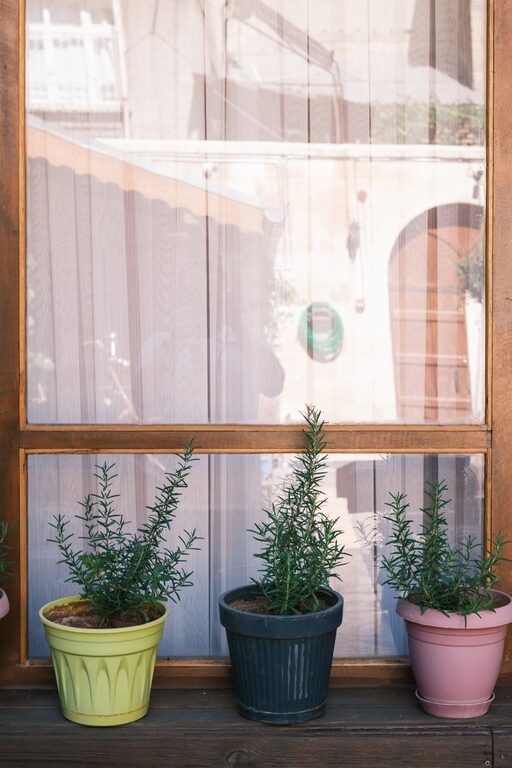
Most herbs need several hours of bright light each day. A sunny south or west facing window is often the best location, although an east facing window can also work well. Place the plants close to the glass, but avoid letting leaves touch a very cold window during winter.
Watch the area for a day before setting up your garden. Notice how much direct sunlight reaches the space and whether the location is affected by drafts, heaters, or air conditioning. Herbs prefer steady conditions, so keep them away from strong heat sources and frequently opened exterior doors.
If your home does not receive enough natural light, use a small grow light. A basic full spectrum LED grow light can provide the additional brightness herbs need. Position the light according to the manufacturer’s instructions and use a timer to provide a consistent daily schedule.
Signs that a plant may need more light include:
– Long, thin stems
– Pale or yellowing leaves
– Slow growth
– Leaves leaning strongly toward a window
– Large gaps between leaves
Select Containers With Drainage
A suitable container is just as important as the plant itself. Choose pots with drainage holes at the bottom so excess water can escape. Without drainage, water may collect around the roots and cause problems.
Small herbs usually grow well in containers that are 4 to 6 inches wide. Larger plants, such as rosemary or mature parsley, may need a pot that is 8 inches wide or more. If you plant several herbs together, use a wider container and leave enough space for each plant to grow.
Place a saucer under every pot to protect your windowsill or furniture. Empty the saucer after watering if it fills with water. Decorative containers can be used as outer covers, but the plant should remain in a pot with drainage.
Avoid choosing a very large container for a small plant. Extra soil can hold moisture for too long, which may increase the chance of root problems.
Use the Right Potting Mix
Indoor herbs grow best in a light, well-draining potting mix. A standard indoor potting mix is usually suitable. You can also choose a mix labeled for containers or herbs.
Do not use soil collected from your yard. It may be too dense for containers and can contain insects or plant diseases. Garden soil also tends to drain poorly in small pots.
Before planting, gently loosen the potting mix and fill the container without pressing it down too firmly. Leave about an inch of space at the top so water does not spill over the sides.
Start With Seeds or Small Plants
You can grow herbs from seeds, cuttings, or young plants from a garden center. Each method has advantages.
Starting with young plants is the easiest option for beginners. The plants are already established, so you can begin harvesting sooner. Look for healthy plants with strong stems, evenly colored leaves, and no visible insects.
Growing from seeds usually costs less and offers more variety. Follow the directions on the seed packet for planting depth, spacing, and germination time. Keep the soil lightly moist while seeds are sprouting, and provide bright light as soon as seedlings emerge.
Mint can also be grown from cuttings. Place a healthy stem in a glass of water until roots develop, then transfer it to a pot. Keep mint in its own container because it spreads quickly and can crowd other herbs.
Water Carefully
Overwatering is one of the most common problems in indoor herb gardens. Herbs need moisture, but their roots also need air. Instead of watering on a fixed schedule, check the soil first.
Push your finger about an inch into the soil. If it feels dry, water the plant thoroughly until a little water drains from the bottom. If the soil still feels damp, wait another day or two and check again.
Different herbs have different moisture preferences:
– Basil and parsley prefer soil that stays lightly moist
– Thyme, oregano, and rosemary prefer the soil to dry slightly between waterings
– Mint likes regular moisture but should not sit in water
– Chives need consistent moisture without soggy soil
Water at the base of the plant rather than over the leaves. Morning watering is often convenient because any moisture on the leaves has time to dry during the day.
Feed and Prune Your Herbs
Most indoor herbs do not need heavy feeding. If you use fresh potting mix, wait several weeks before adding fertilizer. After that, apply a balanced liquid fertilizer at half strength every four to six weeks during active growth. Always follow the product instructions.
Regular trimming encourages fuller growth. Use clean scissors to cut just above a pair of leaves. Avoid removing more than one-third of the plant at a time. Harvesting the growing tips of basil and mint helps prevent tall, weak growth.
For leafy herbs, focus on harvesting leaves and stems. For rosemary and thyme, trim lightly and leave plenty of green growth on the plant. Avoid cutting deeply into old, woody stems unless the plant has enough healthy growth to recover.
Watch for Common Problems
Indoor plants can occasionally attract pests such as aphids, spider mites, or fungus gnats. Check the leaves and stems regularly, especially when bringing a new plant into your home.
If you notice a few insects, move the plant away from other herbs and gently rinse the leaves with water. Remove badly damaged leaves and continue checking the plant over the next several days. Good airflow, proper watering, and clean containers can help prevent many problems.
Yellow leaves may result from overwatering, poor light, or natural aging. A drooping plant may need water, but it can also be suffering from overly wet soil. Check the roots and soil before adding more water.
Create a Simple Care Routine
A short weekly routine makes indoor herb care much easier. Choose one day to inspect every plant and complete the following tasks:
- Check the soil moisture.
- Rotate pots so plants receive even light.
- Remove yellow or damaged leaves.
- Look for pests on the tops and undersides of leaves.
- Trim overgrown stems.
- Empty any water collected in saucers.
- Wipe dust from broad leaves with a clean, damp cloth.
With regular attention, a small indoor herb garden can remain productive for months. Start with a few easy varieties, learn how each plant responds to light and water, and expand gradually. Fresh basil, chives, mint, or parsley will soon be within easy reach whenever you cook.