





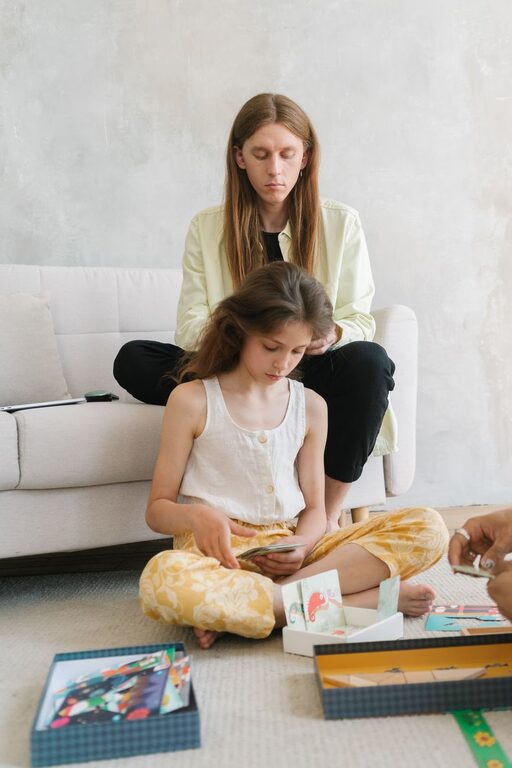
A family game night is a simple way to spend quality time together without leaving home. You do not need expensive equipment, complicated rules, or a perfectly planned evening. With a few games, some snacks, and a relaxed attitude, you can create a tradition everyone looks forward to.
Whether your family enjoys board games, team challenges, puzzles, or silly activities, these ideas can help you plan a fun night for all ages.
1. Choose a Simple Theme
A theme can make an ordinary game night feel like a special event. Keep it easy so planning does not become stressful.
Try one of these themes:
– Around the World: Serve snacks inspired by different countries and play geography games.
– Game Show Night: Create teams, ask trivia questions, and give small prizes.
– Movie Character Night: Dress up as favorite characters and play games related to a film.
– Color Night: Choose a color for decorations, snacks, and clothing.
– Retro Night: Play classic games and listen to music from an earlier decade.
A theme is optional, but it can give everyone something to look forward to.
2. Set Up Different Game Stations
If family members have different interests or attention spans, create several game stations. This allows people to move around and try different activities instead of playing one long game.
You might set up:
– A board game table
– A card game area
– A puzzle corner
– A drawing or guessing station
– A space for active games
Place games and supplies in separate areas before the evening begins. Younger children can start with an easy activity while older family members choose a more challenging game.
3. Play Classic Board Games
Classic board games are popular for a reason: they are easy to find, simple to explain, and often bring out plenty of laughter. Choose games that match the ages and interests of your group.
Good options include:
– Checkers
– Chess
– Connect Four
– Battleship
– Guess Who
– Monopoly
– Sorry
– Clue
– Scrabble
– Candy Land
If a game takes a long time, consider setting a time limit. Ending after 30 or 45 minutes can keep the evening moving and prevent players from losing interest.
4. Try Quick Card Games
Card games are affordable, portable, and easy to adjust for different group sizes. Many games can be played in 10 to 20 minutes, making them ideal for a mixed-age family.
Consider games such as:
– Uno
– Go Fish
– Old Maid
– Crazy Eights
– War
– Rummy
– Spoons
– Apples to Apples
For younger children, use a standard deck of cards to practice matching numbers, colors, or shapes. Older children can learn strategy games that involve planning and memory.
5. Organize a Family Trivia Contest
Trivia is a great choice when you want everyone to participate, even if they do not enjoy traditional board games. Create questions about family memories, animals, movies, food, sports, books, or general knowledge.
Divide players into teams to help younger children feel included. You can also allow each team to choose a name and make a team cheer.
Sample questions might include:
– What was our funniest family vacation moment?
– Which animal is known for having black and white stripes?
– What is the largest ocean?
– Who can name three foods that begin with the letter B?
– Which family member is most likely to wake up early?
Keep the questions light and avoid anything that could embarrass someone. The goal is to enjoy time together, not to create a high-pressure competition.
6. Add Charades and Drawing Games
Charades and drawing games require very few supplies and work well for almost any age group. Write simple words or phrases on slips of paper, fold them, and place them in a bowl.
For charades, players act out the word without speaking. For a drawing game, one person sketches the word while teammates try to guess it.
Ideas for prompts include:
– Riding a bicycle
– Making a sandwich
– Walking a dog
– Building a snowman
– Playing an instrument
– Visiting the zoo
– Washing a car
Set a timer for each turn to keep the game lively. If young children are playing, let them use picture cards or choose their own prompts.
7. Create a Puzzle Challenge
A puzzle challenge is a calmer option for families who enjoy working together. Choose a jigsaw puzzle, word search, maze, or logic puzzle that matches the group’s skill level.
For an extra challenge, divide everyone into teams and give each team a smaller puzzle. The first team to finish wins. You can also hide puzzle pieces around the room and turn the activity into a simple treasure hunt.
To make the evening more comfortable, place the puzzle on a large table and provide plenty of space for everyone to work.
8. Plan Active Indoor Games
Family game night does not have to mean sitting at a table all evening. Add a few active games to help everyone move around.
Try these ideas:
– Balloon volleyball
– Indoor bowling with plastic bottles
– A living room scavenger hunt
– Freeze dance
– Animal movement races
– Sock toss into a basket
– Musical chairs
Remove breakable items and create a clear play area before starting. Choose activities that suit your space, especially if younger children are involved.
9. Include a Cooperative Game
Competitive games can be exciting, but cooperative games give everyone the chance to work toward the same goal. Players solve problems, complete tasks, or beat a timer as a team.
You can create your own cooperative challenge by asking the family to:
– Build the tallest tower from blocks or paper cups
– Complete a puzzle before the timer ends
– Find hidden objects using written clues
– Create a story together, one sentence at a time
– Move a balloon across the room without touching it
Cooperative games are especially helpful when some family members do not enjoy losing. Everyone can celebrate the group’s success.
10. Make a Snack Bar
Snacks can make game night feel festive without requiring a full meal. Set up a small snack bar so people can serve themselves between games.
Simple options include:
– Popcorn with different seasonings
– Fruit slices
– Crackers and cheese
– Pretzels
– Vegetable sticks
– Mini sandwiches
– Cookies
– Lemonade or sparkling water
Use small bowls and cups to reduce spills. If children are helping, let them create snack mixes or decorate cookies. Keep food choices simple and consider any household allergies or preferences.
11. Offer Small, Fun Prizes
Prizes can add excitement, but they do not need to be expensive. Use small rewards that encourage participation rather than focusing only on winning.
Examples include:
– Choosing the next game
– Picking the dessert
– Getting first choice of snacks
– Selecting the family movie
– Wearing a silly champion crown
– Receiving a homemade certificate
You can also give awards for categories such as “Best Team Spirit,” “Funniest Performance,” or “Most Creative Idea.” This helps more people feel recognized.
12. Create a Game Night Schedule
A loose schedule helps the evening run smoothly. For example:
- Welcome everyone and choose teams.
- Play a short warm-up game.
- Take a snack break.
- Play a longer board or card game.
- Add an active game.
- Finish with a family favorite.
Do not plan too many activities. Two or three main games are usually enough. Leave room for conversation, breaks, and unexpected ideas.
13. Let Everyone Take a Turn Choosing
Family game night works best when everyone feels included. Let each person choose a game during the evening, or create a rotating schedule so one family member picks the activity each week.
If a game is unfamiliar, ask the person who chose it to explain the rules. Keep explanations short, then begin playing and clarify questions as they come up.
14. Make It a Regular Tradition
A one-time game night can be fun, but a regular tradition creates lasting memories. Choose a schedule that fits your household, such as every Friday evening, the first Saturday of each month, or one night during school breaks.
Keep a list of games your family enjoys. After each evening, write down what worked well and what you might change next time. Over time, you can build a collection of favorite activities and traditions.
15. Focus on Fun, Not Perfection
The best family game nights are not always the most organized. Someone may misunderstand the rules, a snack may spill, or a game may end sooner than expected. These moments often become part of the memories everyone shares.
Choose activities that encourage conversation, laughter, and teamwork. Put away phones when practical, listen to one another, and remember that the main goal is spending time together. With a little creativity, your living room can become the setting for a fun family tradition.