







Planning meals from pantry staples can save time, reduce food waste, and make busy days easier. Instead of starting with a recipe every night, begin with the ingredients already on hand. With a few basic categories and a simple method, you can create satisfying meals without making a large grocery trip.
What Counts as a Pantry Staple?
Pantry staples are ingredients that store well and can be used in many different ways. They often form the base of a meal rather than serving as a complete dish on their own.
Common pantry staples include:
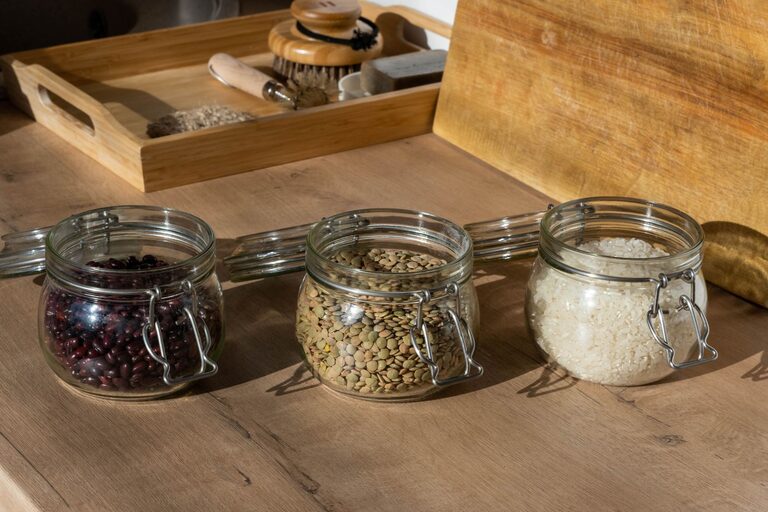
– Rice, pasta, oats, and other grains
– Canned beans, lentils, and chickpeas
– Canned tomatoes, tomato paste, and jarred sauces
– Flour, breadcrumbs, and baking mixes
– Canned tuna, chicken, or other shelf stable proteins
– Peanut butter, nuts, and seeds
– Broth, coconut milk, and canned vegetables
– Cooking oil, vinegar, and basic seasonings
You may also use freezer and refrigerator items as supporting ingredients. Frozen vegetables, eggs, cheese, onions, and carrots can turn a simple pantry meal into something more complete.
Start With a Pantry Inventory
Before planning meals, take a quick inventory. Group similar ingredients together so you can see what you have at a glance. Check cabinets, the refrigerator, and the freezer.
Create a list under a few simple headings:
– Grains and starches
– Proteins
– Canned and jarred foods
– Vegetables and fruit
– Sauces and cooking liquids
– Herbs, spices, and seasonings
Write down ingredients that need to be used soon, such as opened jars, fresh produce, or items nearing their best quality. Place these ingredients at the top of your list. Planning around them helps prevent waste.
You do not need a perfect inventory system. A note on your phone or a piece of paper on the refrigerator is enough. Update it as you use items and bring home new groceries.
Use a Simple Meal Formula
A helpful way to build meals is to combine four basic parts:
- A base, such as rice, pasta, potatoes, bread, or grains
- A protein, such as beans, lentils, eggs, canned fish, or nuts
- A vegetable or fruit
- A sauce, seasoning, or finishing ingredient
This formula keeps meals balanced in flavor and texture without requiring a specific recipe.
For example, rice can be combined with beans, canned tomatoes, and spices. Pasta can be mixed with tuna, frozen peas, and a simple oil and herb sauce. Oats can become breakfast with peanut butter, fruit, and cinnamon.
If one category is missing, use what you have. A meal does not need to follow a strict formula to be useful. The goal is to create a flexible starting point.
Plan Around Versatile Ingredients
Some ingredients can be used in several meals during the week. Choose these first when building your plan.
For example, cooked rice can be used in:
– Rice bowls with beans and vegetables
– Fried rice with eggs and frozen vegetables
– Soup with broth, tomatoes, and herbs
– Stuffed peppers or tortillas
Canned beans can become:
– A filling for tacos or wraps
– A topping for baked potatoes
– A base for soup
– A blended dip
– An addition to pasta or grain salads
When one ingredient works across multiple meals, cooking becomes easier. You can prepare a large batch once and change the seasonings or toppings later.
Build a Weekly Meal Map
A meal map is more flexible than a strict schedule. Instead of assigning a precise recipe to every day, list a few meal ideas and match them to your time and energy.
For example:
Monday: One Pot Meal
Combine pasta or rice with canned tomatoes, beans, broth, and seasonings. One pot means less preparation and cleanup.
Tuesday: Grain Bowl
Use leftover rice or another grain as a base. Add beans, canned vegetables, fresh vegetables, and a simple sauce.
Wednesday: Soup or Stew
Use broth, canned tomatoes, lentils, beans, pasta, or grains. Add any vegetables that need to be used.
Thursday: Quick Skillet Meal
Cook eggs, canned fish, beans, or vegetables in a skillet. Serve the mixture with toast, rice, or potatoes.
Friday: Pantry Pasta
Toss pasta with olive oil, garlic, herbs, canned vegetables, beans, or tuna. Add breadcrumbs or cheese if available.
Leave one or two open days for leftovers, takeout, or meals made from ingredients that need to be used first. A flexible plan is easier to follow than one that leaves no room for changes.
Create Flavor With Basic Seasonings
Pantry meals can taste different from one another when you change the seasoning profile. You do not need a large spice collection. A few basics can create variety.
Try these combinations:
– Italian style: garlic, oregano, basil, tomatoes, and olive oil
– Southwestern style: chili powder, cumin, beans, corn, and tomatoes
– Curry inspired: curry powder, coconut milk, lentils, and vegetables
– Simple savory: soy sauce, ginger, garlic, and rice
– Bright and fresh: vinegar or lemon juice, herbs, beans, and vegetables
Taste as you cook and adjust gradually. A small amount of vinegar, hot sauce, or citrus juice can add brightness to a dish that tastes flat. Salt should also be added carefully, especially when using canned broth, sauces, or vegetables.
Plan Grocery Additions, Not Entire Meals
Once you know what is in your pantry, shop for a few ingredients that complete several meals. Avoid buying unrelated items that serve only one purpose.
Useful additions may include:
– Fresh onions, garlic, carrots, or greens
– Eggs or another easy protein
– Milk, yogurt, or cheese
– Fresh fruit
– Tortillas or bread
– Lemons or limes
– Frozen vegetables
Choose foods that can be used in more than one way. For example, plain yogurt can serve as a breakfast topping, a sauce for grain bowls, or a base for a dip. Tortillas can hold beans, eggs, leftover vegetables, or shredded chicken.
Make a Substitution List
A substitution list helps you keep cooking when an ingredient is missing. Think in categories rather than exact products.
Possible swaps include:
– Rice for pasta, potatoes, or another grain
– Beans for lentils, chickpeas, eggs, or canned fish
– Canned tomatoes for tomato sauce or broth
– Frozen vegetables for fresh vegetables
– Vinegar for lemon juice
– Peanut butter for another nut or seed butter
– Bread for tortillas, crackers, or cooked grains
The flavor and texture may change, but the meal can still work. Planning with substitutions in mind also helps you use what you already own.
Prepare a Few Ingredients in Advance
A small amount of preparation can make pantry meals much faster. Cook a pot of rice, pasta, lentils, or beans and store portions for later. Wash and cut vegetables, open and rinse canned beans, or mix a simple sauce.
Store prepared foods in labeled containers and use them within a reasonable time. Keep older items near the front of the refrigerator so they are easy to remember.
You can also prepare components rather than complete meals. A container of cooked grains, a bowl of seasoned beans, and a jar of sauce can become several different meals throughout the week.
Keep a List of Reliable Meal Ideas
After making a successful pantry meal, add it to a short list. Over time, you will build a personal collection of dependable options.
Your list might include:
– Tomato and bean pasta
– Lentil soup
– Rice and egg bowls
– Chickpea salad wraps
– Tuna and vegetable pasta
– Oatmeal with fruit and nut butter
– Baked potatoes with beans and cheese
This list makes future planning quicker. When you are tired or short on time, choose from your reliable meals instead of starting from scratch.
Planning meals from pantry staples is less about following strict recipes and more about recognizing useful combinations. With a quick inventory, a flexible meal map, versatile ingredients, and a few dependable seasonings, you can make simple meals that are practical, varied, and easy to repeat.