







Planning meals for the week can make everyday cooking simpler, faster, and less stressful. Instead of deciding what to eat at the last minute, you can prepare a short list of meals, shop with a purpose, and use ingredients more efficiently.
A weekly meal plan does not need to be complicated. You do not have to cook a different recipe every night or prepare every meal in advance. A useful plan should fit your schedule, cooking preferences, budget, and household needs.
Start With Your Schedule
The best meal plan begins with your calendar. Before choosing recipes, look at the week ahead and note how much time you will have for cooking.
Consider:
– Work or school commitments
– Appointments and activities
– Days when you will eat away from home
– Evenings when you have more time to cook
– Leftovers that can be used for lunch
– Plans with family or friends
Match your meals to your available time. For example, choose a quick meal on a busy evening and save a longer recipe for a day when you are home. If one day is especially full, plan leftovers, sandwiches, soup, or another meal that requires little preparation.
This simple step helps prevent overplanning. There is no need to schedule a complicated meal for a night when you will be tired or short on time.
Choose a Simple Planning Method
There are several ways to organize a weekly meal plan. Choose the method that feels easiest to maintain.
Plan Every Meal
This method includes breakfast, lunch, dinner, and snacks for each day. It can work well for households that prefer a detailed schedule.
Plan Only Dinners
Planning seven dinners is often enough to make grocery shopping and cooking easier. Breakfast and lunch can stay flexible with a few basic ingredients on hand.
Plan by Meal Type
You can assign general themes to different days, such as:
– Pasta night
– Soup or stew night
– Meatless meal
– Sheet pan dinner
– Leftover night
– Breakfast for dinner
– Takeout or restaurant night
Meal themes reduce the number of decisions you need to make while still allowing flexibility.
Take Inventory Before Shopping
Before writing your grocery list, check what you already have. Look in the refrigerator, freezer, and pantry.
Make a quick note of:
– Fresh produce that should be used soon
– Open packages
– Frozen ingredients
– Canned goods
– Grains, pasta, and other staples
– Sauces, spices, and cooking basics
Using food you already have can reduce waste and lower your grocery bill. It may also inspire your meals. For example, leftover vegetables can be added to an omelet, grain bowl, soup, or stir-fry.
You do not need to use every ingredient immediately. Focus first on foods that are likely to spoil soon, then build the rest of the plan around longer-lasting items.
Build Meals Around Flexible Ingredients
Choose ingredients that can be used in more than one meal. This keeps your grocery list shorter and makes cooking more efficient.
For example, a batch of roasted vegetables can be used in:
– A grain bowl
– Tacos
– A pasta dish
– A side dish
– A lunch salad
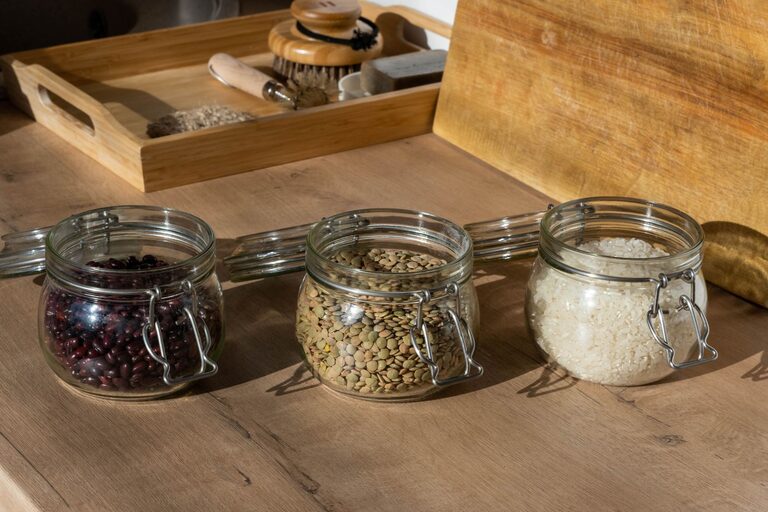
Cooked chicken, beans, lentils, rice, or pasta can also be used in several different ways during the week. A few versatile ingredients give you options without requiring a completely new shopping list for every recipe.
Try to combine different types of foods in each meal, such as a main ingredient, a grain or starch, vegetables, and a sauce or topping. This basic structure makes it easier to create balanced and satisfying meals without following a strict recipe.
Choose Recipes Wisely
When selecting recipes, consider more than how appealing they look. Think about the time, tools, and ingredients required.
Look for recipes that:
– Use ingredients you already enjoy
– Have clear, manageable steps
– Can be prepared in advance
– Make enough for leftovers
– Use similar ingredients across the week
– Fit your cooking equipment and skill level
Avoid choosing too many new recipes at once. Trying one or two new dishes each week is more realistic than planning seven unfamiliar meals. Fill the rest of the plan with dependable favorites.
It can also help to keep a personal list of easy meals. Add recipes that your household enjoys and that can be prepared without much effort. Over time, this list becomes a useful starting point for future meal plans.
Create a Practical Grocery List
Once your meals are chosen, write a grocery list organized by store section. Grouping items together can make shopping faster and help you avoid missed ingredients.
Common categories include:
– Produce
– Meat, seafood, eggs, or plant-based proteins
– Dairy and refrigerated items
– Grains and bakery products
– Canned and packaged foods
– Frozen foods
– Pantry staples
Check each recipe and note the amount you need. If several meals use the same ingredient, add the quantities together. For example, if two recipes call for onions, combine the amounts instead of listing them separately.
Avoid buying large quantities unless you know you will use them. A good meal plan should help you shop with purpose rather than encourage extra purchases.
Prepare a Few Items Ahead
Meal planning does not mean spending an entire day cooking. Even a small amount of preparation can make the week easier.
Depending on your schedule, you might:
– Wash and cut vegetables
– Cook a batch of rice or another grain
– Prepare a sauce or dressing
– Marinate ingredients
– Portion snacks
– Move frozen food to the refrigerator to thaw safely
– Cook one meal that can provide leftovers
Store prepared foods in clean, covered containers and label them when helpful. Keep ingredients separate when combining them later will improve their texture. For example, store salad dressing apart from greens until serving.
Choose preparation tasks that genuinely save time. If preparing everything in advance feels overwhelming, start with one or two items.
Leave Room for Flexibility
A meal plan should guide your week, not control it. Plans often change because of unexpected errands, schedule updates, or a change in appetite.
Build flexibility into your schedule by including:
– One leftover night
– One quick meal
– A freezer option
– Ingredients that can be combined in different ways
– A night with no fixed recipe
If you skip a planned meal, move it to another day or freeze the ingredients if appropriate. You can also swap meals based on freshness. For example, use delicate produce earlier in the week and save sturdier vegetables for later.
Flexibility helps prevent food waste and makes the plan easier to maintain over time.
Use a Simple Weekly Template
A basic template can make planning faster. You can adjust it to suit your household.
Example Weekly Plan
– Monday: Quick pasta dish with vegetables
– Tuesday: Tacos with beans, chicken, or another filling
– Wednesday: Leftovers
– Thursday: Sheet pan meal
– Friday: Soup, sandwiches, or a freezer meal
– Saturday: A recipe that takes more time
– Sunday: Cook once and prepare leftovers for the week
Breakfast and lunch can be kept simple with a few repeat options, such as oatmeal, yogurt, eggs, sandwiches, salads, fruit, or leftovers. Repeating familiar meals can reduce both planning time and grocery costs.
Review and Improve Your Plan
At the end of the week, take a few minutes to review what worked. Ask yourself:
– Which meals were easy to prepare?
– Did you buy more food than you used?
– Were the portion sizes suitable?
– Which leftovers were useful?
– Did any recipes take longer than expected?
– What would you repeat next week?
Use these observations to improve your next plan. A successful meal plan is not one that looks perfect on paper. It is one that helps you cook, shop, and eat with less daily stress.
Start with three or four planned dinners if a full week feels like too much. As the process becomes familiar, you can add more meals, preparation steps, or recipe variety. The goal is to create a routine that is practical, flexible, and easy to continue.